Strive
Our Programs

Junior Youth
Empowerment Program

The Junior Youth Program engages young people aged 11 to 14 in neighborhood-based groups that foster intellectual, moral, and social development during a pivotal stage of early adolescence.
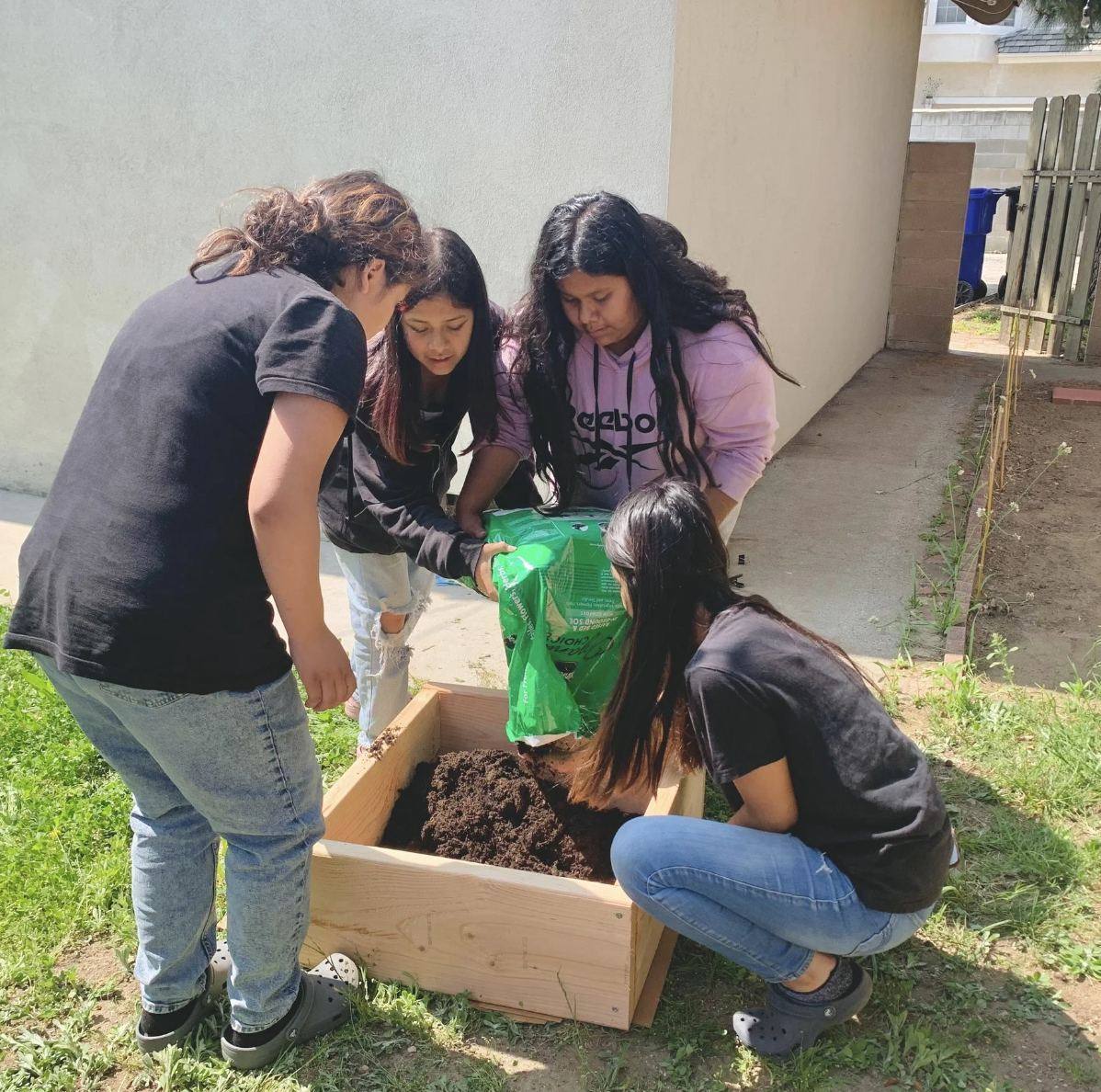
Junior youth working together on a community service project
PROGRAM
About the program

Unlocking capacities at a pivotal age

Recognizing the unique potential of this age group, the program provides a structured environment in which junior youth strengthen their powers of expression, deepen their understanding of the world around them, and develop the capacity to contribute to the wellbeing of their communities.

Groups meet regularly to engage in a range of activities, including the study of educational materials, artistic expression, healthy recreation, and acts of service. Through guided discussions junior youth learn to analyze the conditions of their neighborhoods, identify needs and opportunities, and design service projects that translate high ideals into meaningful action. These experiences help cultivate a sense of purpose, responsibility, and agency as participants begin to see themselves as contributors to the progress of their communities.

Through this integrated process of study, reflection, and service, junior youth develop the intellectual and moral capabilities needed to navigate the complexities of adolescence with clarity and purpose.

Graduates of the program often describe it as a formative experience that strengthened their identity, broadened their understanding of community life, and inspired a commitment to contributing to the betterment of society.

ANIMATORS
Accompaniment

Animators

Each group is accompanied by one or two older youth, known as animators, who support the junior youth in a spirit of friendship and mutual learning.

Often in their late teens or early twenties, animators help create an environment of encouragement, discipline, and joy. As they accompany their younger peers, animators also benefit from the opportunity to examine their own goals, capacities, and contributions to community life.

Become an animator
STORY
Our story

In their own words

Junior youth participants and animators share their experience with the program.

ELEMENTS
Inside a group

The elements of the program.

Tap an element to explore — each group weaves these threads together in different proportions, shaped by their own interests and context.

01 / 05

Study and meaningful conversations

The curriculum of the junior youth program consists of stories containing meaningful exercises, activities, and community projects within a participatory environment that help junior youth develop their critical thinking and their ability to express their ideas.

02 / 05

Service projects they design themselves

A core tenet of the program is helping junior youth develop their talents and abilities by helping the community. Junior youth often consult, plan and execute community projects that help them develop an understanding of community issues and become agents of change.

03 / 05

Artistic and cultural expression

Through vibrant arts and cultural activities, junior youth explore their unique talents and express meaningful concepts like unity and cooperation. Through music, drama, visual arts, poetry, dance, and more, the junior youth strengthen their powers of expression and bring joy to the whole community.

04 / 05

Games, sports, and recreation

Through cooperative games and team sports, junior youth build lasting friendships while developing essential qualities like collaboration, resilience, and mutual support. These recreational activities emphasize the joy of movement, collective victory, and building a sense of collective unity.

05 / 05

Monthly camps with other groups

Our monthly day camps offer a weekend experience where junior youth dive deeper into study, service, and creative arts. These extended gatherings strengthen their bonds of friendship, accelerate their personal development, and leave them energized to serve their communities.

LIBRARY
The texts

What junior youth are studying.

The program draws on a sequence of materials designed to develop strong language skills, enhance comprehension, and strengthen the ability to articulate ideas with clarity and eloquence.

Some texts explore mathematical concepts and social issues, while others introduce scientific approaches to investigating reality. Across all materials, emphasis is placed on cultivating attitudes and moral concepts that guide young people as they mature into adults and active participants in society. The materials encourage junior youth to reflect deeply, think critically, and align noble words with constructive deeds.

Below is a look at a handful of them. Tap a book to see what's inside.

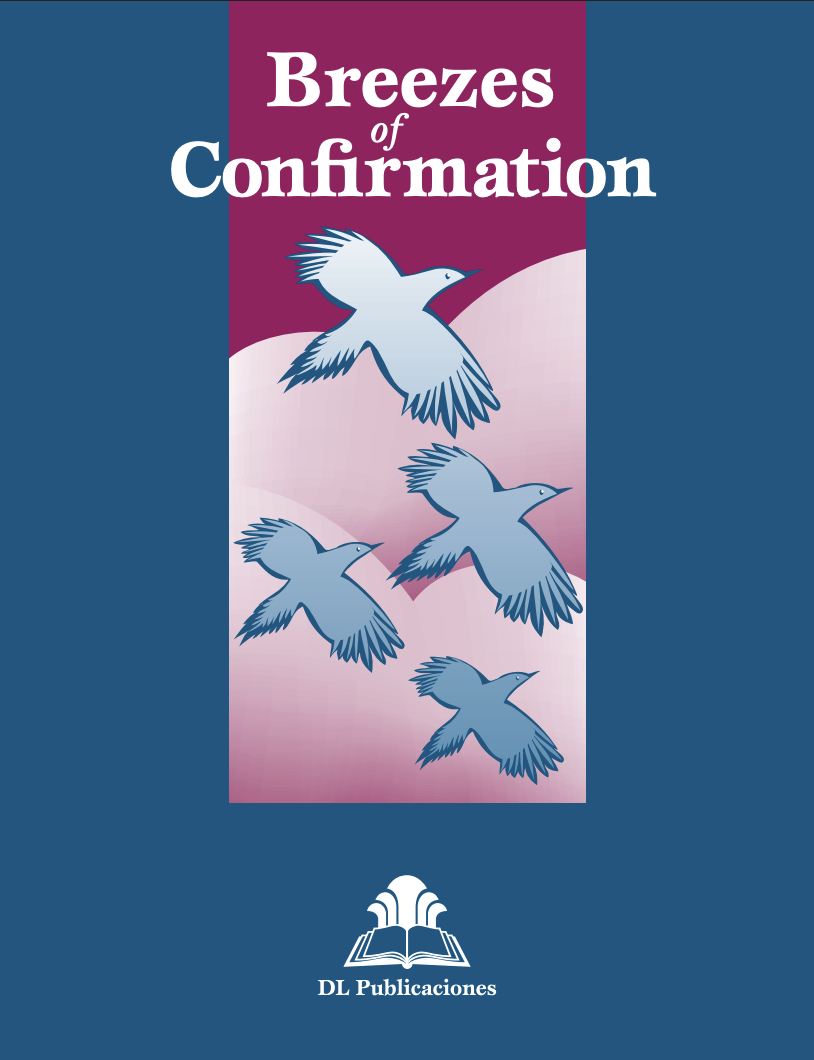
Breezes of Confirmation cover

Breezes of Confirmation

Breezes of Confirmation follows the story of Musonda, a young girl who has just turned thirteen, and her older cousin Rose, who comes to visit her family for the school holidays. As Musonda, Rose, and their friends navigate daily life and discuss their future dreams, they learn about the spiritual concept of “confirmation”—the idea that when we make a sincere effort to achieve a noble goal or serve others, we are assisted in overcoming obstacles and achieving success. The text ultimately helps junior youth recognize that while life brings challenges, their positive choices are supported by these unseen spiritual forces.

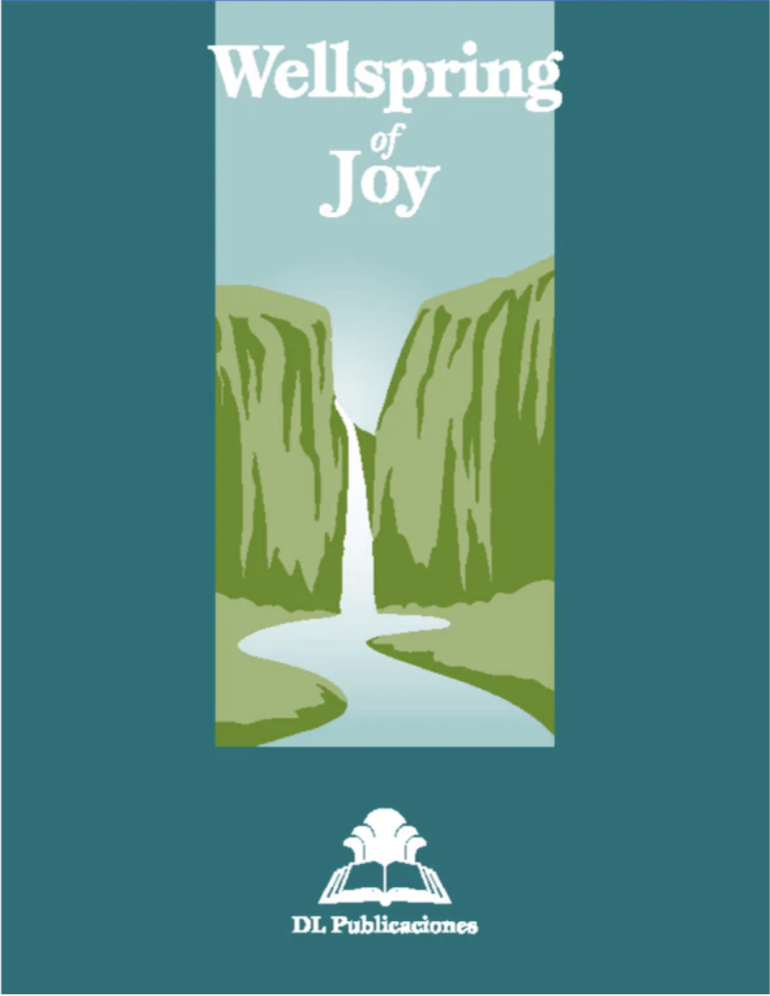
Wellspring of Joy cover

Wellspring of Joy

Wellspring of Joy follows the story of Saw Tu, a twelve-year-old refugee boy whose family has fled hardship and is trying to adjust to life in a large city in a new country. As Saw Tu navigates early challenges like low grades and family stresses, a local junior youth group helps him find a supportive circle of friends. Through their shared experiences, service projects, and mutual encouragement, Saw Tu learns to move past hopelessness and discovers that true, lasting joy comes from reliance on God, unity, and serving others.

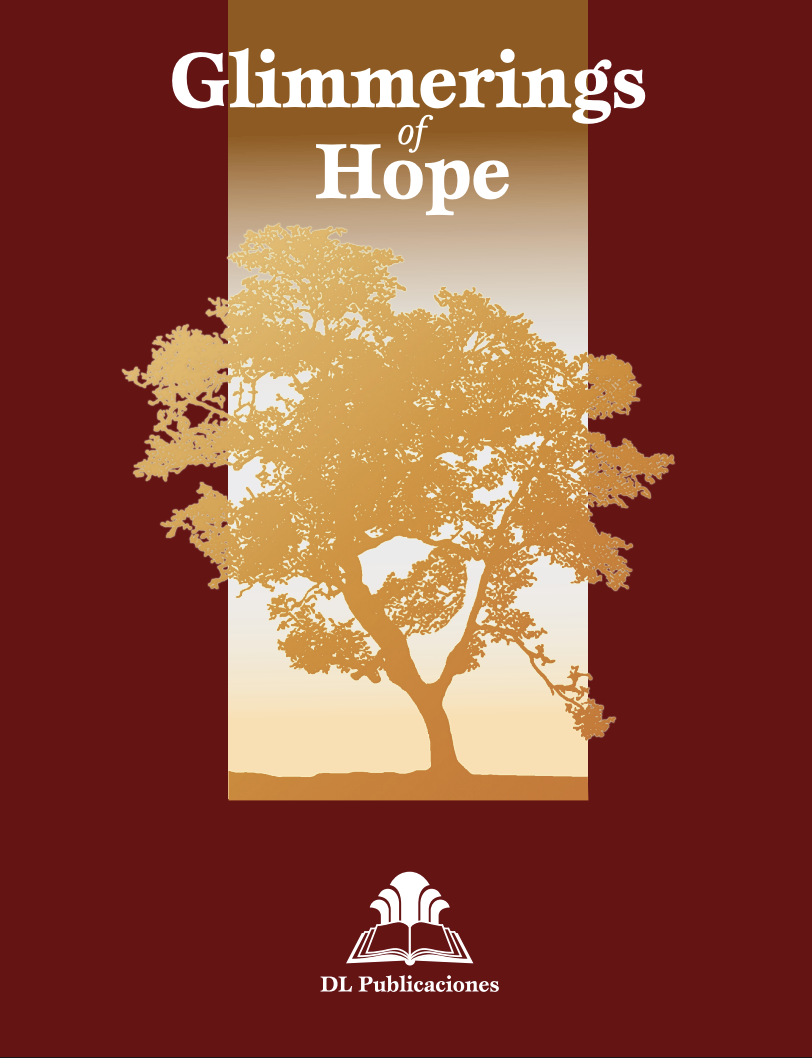
Glimmerings of Hope cover

Glimmerings of Hope

Glimmerings of Hope follows the story of Kibomi, a twelve-year-old boy who must flee his village and embark on a dangerous journey to find his sister after his parents fall victim to violent civil strife. Along the way, Kibomi faces intense challenges but encounters individuals who help him understand that we always have a choice between love and hate, or construction and destruction. Ultimately, the text helps junior youth analyze prevailing social forces, resist despair, and think about how they can make positive choices to build a better world even during the hardest of times.

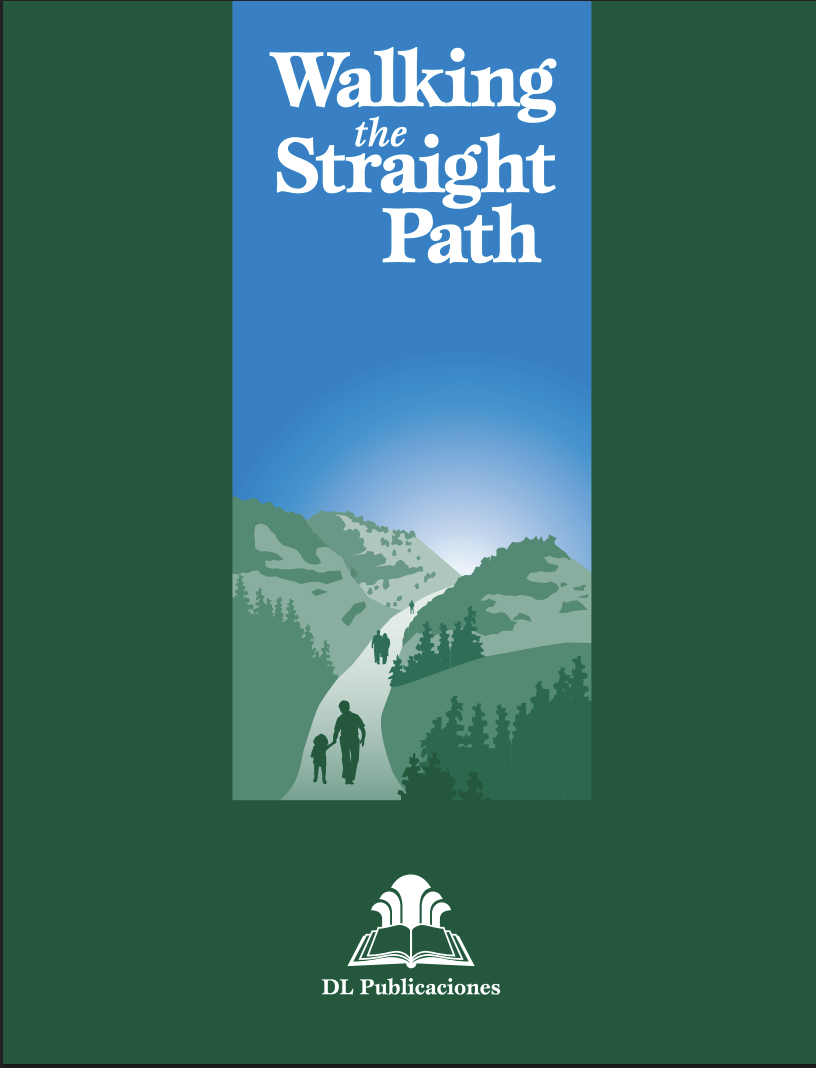
Walking the Straight Path cover

Walking the Straight Path

Walking the Straight Path brings together twenty short, traditional stories from various cultures, each highlighting a universal moral concept like honesty, humility, perseverance, or moderation. Following each story, junior youth engage in deep discussions and language exercises designed to build their comprehension and enhance their moral reasoning. The text ultimately helps participants reflect on the real-world choices they face daily and understand the spiritual principles behind walking a path of integrity.

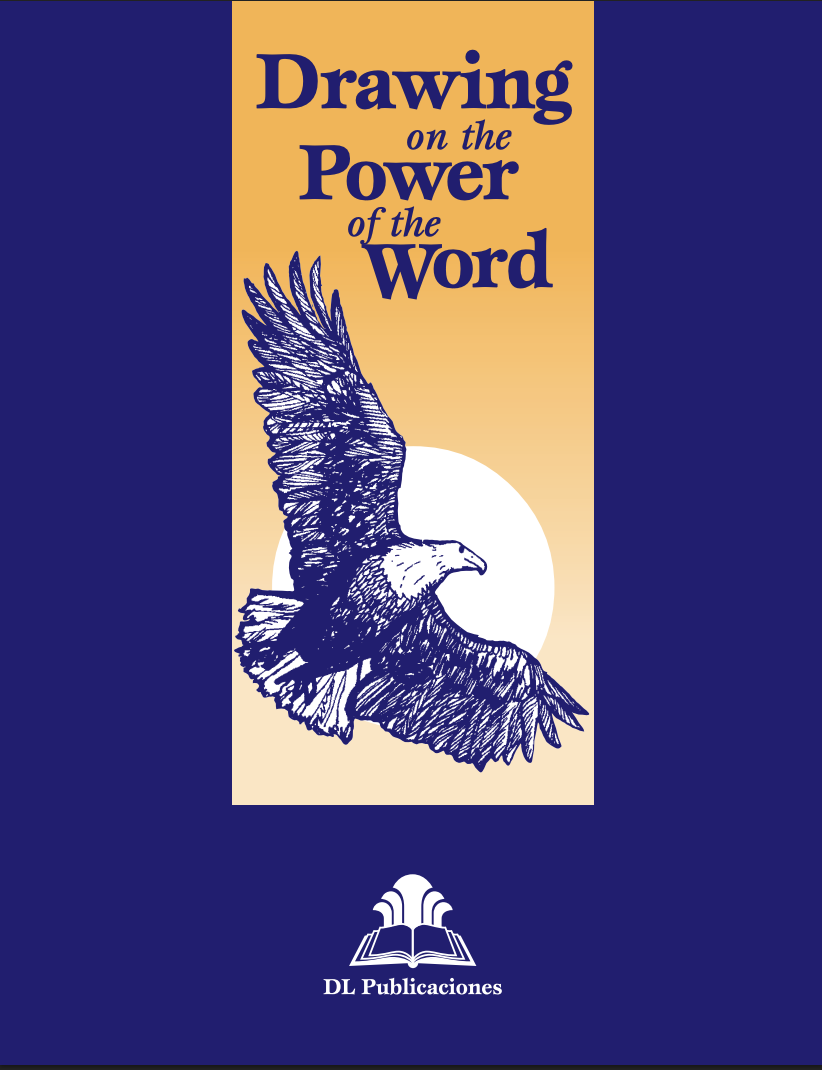
Drawing on the Power of the Word cover

Drawing on the Power of the Word

Drawing on the Power of the Word follows Diego and his junior youth group in the small town of Alegrías as they work with a tutor named Elisa. Through their discussions and activities, the group explores the moral implications of speech and how linking enlightened words to pure, noble deeds can bring about real social change. Ultimately, the text helps participants analyze how language shapes their choices, relationships, and understanding of the media, empowering them to enhance their own power of expression to serve their community.

Through education children recognize the importance of respecting the interests of others and see as a sacred obligation service to their neighbors.

— Bahá'í Writings

Find a group or become an animator

Contact us to find a junior youth group in your area or to become trained as an animator.

Contact us Back to programs